



Nebulizer vs. Inhaler: Understanding the Difference and Choosing the Right Device
When it comes to treating respiratory conditions like asthma, chronic obstructive pulmonary disease (COPD), or other lung issues, nebulizers and inhalers are two common devices used to deliver medication. While both are designed to help individuals breathe easier, they differ in their method of use, delivery mechanism, and the type of treatment they provide.
Here’s a breakdown of the nebulizer and inhaler to help you understand their differences and decide which one might be right for you or a loved one.
1. What is a Nebulizer?
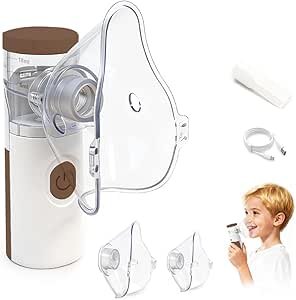
A nebulizer is a medical device that converts liquid medication into a fine mist or aerosol, which can be inhaled directly into the lungs. Nebulizers are typically used for people who have more severe respiratory issues or difficulty using inhalers. The device is often used with a mouthpiece or mask for delivery of the mist.
Types of Nebulizers:
- Compressor Nebulizers: These are the most common and work by using compressed air to turn the medication into a mist.
- Ultrasonic Nebulizers: Use high-frequency sound waves to generate the mist, making them quieter and more portable.
- Mesh Nebulizers: Utilize a vibrating mesh to produce the mist, and are the smallest and most portable of the types.
How a Nebulizer Works:
- Step 1: Medication is placed into the nebulizer cup.
- Step 2: The machine turns the liquid into a mist.
- Step 3: The patient breathes in the mist through a mask or mouthpiece, which delivers the medication directly to the lungs.
- Step 4: The treatment usually takes around 10 to 15 minutes.
Benefits of a Nebulizer:
- Easier for Children and the Elderly: Nebulizers are often easier to use for individuals who have trouble coordinating the use of an inhaler, such as small children or elderly patients.
- Continuous Medication Delivery: Nebulizers offer steady, continuous delivery of medication, making them ideal for people who need prolonged medication doses.
- Versatile: Can be used with a variety of medications, including bronchodilators, corticosteroids, and antibiotics.
Considerations:
- Size and Portability: Nebulizers are typically larger and require access to power (electric or battery-operated), making them less portable than inhalers.
- Treatment Time: Nebulizers generally take longer to administer medication (10-15 minutes), which may be less convenient for some patients.
2. What is an Inhaler?
An inhaler is a small, portable device that delivers a specific dose of medication to the lungs in the form of an aerosol or spray. The most common types of inhalers are Metered Dose Inhalers (MDI) and Dry Powder Inhalers (DPI).
Types of Inhalers:
- Metered Dose Inhalers (MDI): These inhalers use a pressurized canister to deliver a fixed dose of medication when the patient presses down on the canister. These often require the user to coordinate inhaling with pressing the canister.
- Dry Powder Inhalers (DPI): These inhalers deliver medication in a dry powder form, and they require the user to inhale deeply to activate the delivery of the medication.
How an Inhaler Works:
- Step 1: The patient places the inhaler mouthpiece in their mouth and exhales fully.
- Step 2: For MDIs, the patient then presses the canister to release the medication while simultaneously inhaling deeply.
- Step 3: For DPIs, the patient activates the device (by loading a powder cartridge) and inhales deeply to pull the medication into the lungs.
- Step 4: The medication works by opening up the airways, reducing inflammation, or treating the underlying condition.
Benefits of an Inhaler:
- Portability: Inhalers are compact and portable, making them ideal for on-the-go use.
- Quick Treatment: Inhalers are fast-acting, typically delivering medication in seconds with each dose.
- Convenient for Mild Symptoms: Ideal for managing mild to moderate symptoms of asthma, COPD, or other respiratory conditions on a daily basis.
Considerations:
- Technique Required: Many inhalers, particularly MDIs, require the correct technique to ensure proper medication delivery. It may be difficult for children or elderly patients to use them effectively without guidance.
- Shorter Treatment Duration: Unlike nebulizers, inhalers deliver quick bursts of medication, but they may not be suitable for prolonged treatment or very severe symptoms.

