



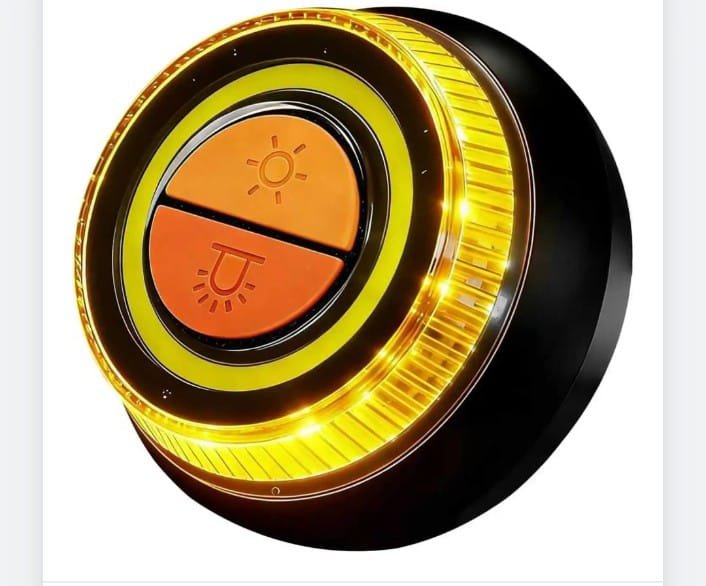
V16 Warning Triangle (V16 Warning Beacon) – Modern Roadside Safety Device
A V16 warning triangle (more accurately called a V16 warning beacon or V-16 emergency light) is a vehicle roadside warning device designed to replace the traditional reflective warning triangle in certain countries, especially in Spain. It’s used to signal other road users that your vehicle has broken down or is involved in an accident, making your position visible and safer — especially on busy roads and motorways.
What Is a V16 Warning Triangle/Beacon?
Unlike conventional static triangles, the V16 is a portable emergency warning light that emits a bright, flashing 360° light so your stopped vehicle can be seen from all directions. It’s typically placed on the roof of the vehicle using a magnetic base or attached surface so it’s highly visible to other drivers.
The name “V16” comes from its official designation in Spanish regulations, where it is classified as a hazard-warning device (baliza V-16) for use during breakdowns or accidents.
Key Features
- High Visibility: Produces a flashing light visible at long distances in all directions, improving safety on roads with high traffic or poor visibility.
- Easy to Use: Can be activated and placed quickly, usually without exiting the vehicle in dangerous situations.
- Battery Powered: Runs on an internal battery or replaceable cells with sufficient life to cover emergency situations.
- Connected (in some devices): Advanced V16 beacons used in Spain integrate GPS and connectivity so they can automatically send your location to national traffic authorities during emergencies.
Where and Why It’s Used
Spain’s Mandatory Change (Effective 1 January 2026)
In Spain, the V16 warning beacon will replace the traditional reflective warning triangle as the legally required roadside warning device. From January 1, 2026, all standard vehicles must carry an approved V16 warning device, and relying only on classic triangles will not meet legal requirements on Spanish roads.
This change aims to improve road safety by reducing the risk of people leaving their vehicle and walking on busy roadways to place triangles, a situation that has historically led to accidents and fatalities.
Legal Aspects
- Vehicles registered in Spain need to carry a certified V16 beacon.
- Foreign-registered vehicles (temporary visitors) may still use traditional warning methods, like triangles, in Spain.
- Not using a proper and approved V16 when required can lead to fines under local traffic laws.
How It Works
- Stop Safely: If your vehicle breaks down or you’re in an accident, stop safely off the carriageway if possible.
- Activate the V16 Light: Turn on the beacon so it begins flashing. Some connected models will also start transmitting the vehicle’s position to authorities.
- Place It on the Vehicle: Using its magnetic base or mounting point, place the beacon as high as possible — typically on the roof — so other road users can see it clearly.
- Remain Safe: Stay inside or in a safe location if traffic conditions are dangerous; the V16 allows you to warn others without stepping into the road.
Benefits Compared to Traditional Triangles
| Feature | Traditional Warning Triangle | V16 Warning Beacon |
|---|---|---|
| Visibility | Static and reflective | Active flashing light, 360° visibility |
| Placement | Must be placed several metres behind the vehicle | Placed on vehicle (no need to walk into traffic) |
| Risk on Road | High risk walking to place it | Lower risk; can be placed safely |
| Connectivity | None | Some devices transmit location to traffic authorities |
This represents a clear safety improvement over triangles in busy or high-speed environments.
Everyday Practical Use
- Breakdowns: Use the V16 light immediately when stopped on a busy road.
- Accidents: Illuminate your vehicle’s presence while waiting for help.
- Poor Visibility: Helps other drivers notice your stopped vehicle sooner in rain, fog, or night conditions.
Final Summary
A V16 warning triangle (more precisely, a V16 warning beacon) is a modern roadside safety device — increasingly becoming mandatory in countries like Spain — designed to replace traditional reflective warning triangles. Its flashing high-visibility light and easy placement reduce risk on busy roads and improve safety during breakdowns or accidents. Proper use and compliance with local regulations ensure both your safety and legal conformity while driving.