




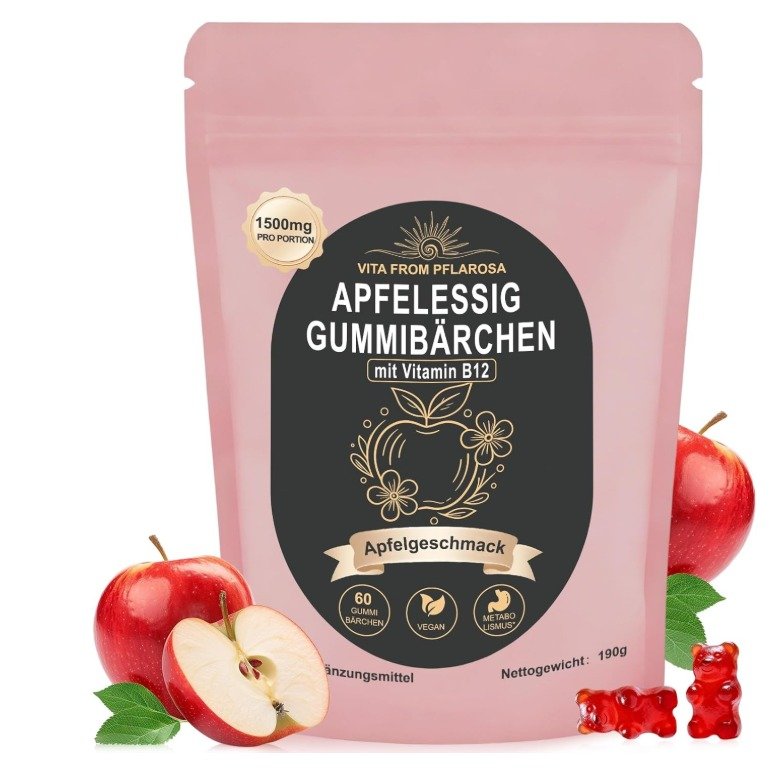
Apple Cider Vinegar – Uses, Benefits, and How to Incorporate It
Apple cider vinegar (ACV) is a popular natural remedy made by fermenting apple juice. It contains acetic acid, enzymes, and nutrients that have made it a staple in cooking, home remedies, and wellness routines. People use ACV for digestion, skin care, hair care, and general health support.
This blog explains what apple cider vinegar is, its benefits, common uses, and tips for safe consumption.
What Is Apple Cider Vinegar?
Apple cider vinegar is produced by fermenting crushed apples. The process converts sugars into alcohol, then into acetic acid, which gives vinegar its strong taste and acidic properties. Raw, unfiltered ACV contains strands of proteins, enzymes, and beneficial bacteria, often called the “mother”, which are believed to contribute to its health benefits.
ACV is available in liquid form, both filtered and unfiltered, and can also come as capsules or gummies for supplementation.
Health Benefits of Apple Cider Vinegar
1. Supports Digestion
ACV may aid digestion by promoting stomach acid production and improving nutrient absorption. Some people consume it before meals to reduce bloating and improve gut health.
2. Helps Maintain Blood Sugar Levels
Studies suggest that ACV can help moderate post-meal blood sugar spikes, making it popular among people seeking natural blood sugar management.
3. Supports Weight Management
When combined with a healthy diet and exercise, ACV may help increase satiety, reducing overall calorie intake.
4. Skin Care
Applied topically or diluted in water, ACV can help with skin tone, pH balance, and acne due to its antimicrobial properties. It’s important to dilute it properly to avoid irritation.
5. Hair Care
ACV can be used as a hair rinse to remove residue, add shine, and improve scalp health. Dilution with water is recommended to prevent hair dryness.
6. Antimicrobial Properties
The acetic acid in ACV has been shown to help kill certain bacteria, making it useful for cleaning, food preservation, and minor topical applications.
Common Uses of Apple Cider Vinegar
1. In Cooking
- Salad dressings
- Marinades for meat or vegetables
- Pickling and preserving
2. As a Beverage
- Diluted with water, honey, or lemon for daily consumption
- Used as a base for detox drinks or wellness tonics
3. For Skin and Hair
- Toners or facial rinses
- Hair rinses for shine and scalp balance
4. Household Cleaning
- Natural cleaning agent for surfaces
- Deodorizer for kitchens and bathrooms
How to Use Apple Cider Vinegar Safely
Internal Use
- Dilute 1–2 tablespoons in a glass of water before drinking.
- Consume with meals to reduce the risk of stomach upset or tooth enamel erosion.
- Start with smaller amounts and increase gradually.
Topical Use
- Always dilute with water (often 1:1 ratio) before applying to skin or scalp.
- Perform a patch test to ensure no irritation occurs.
Hair Rinse
- Mix 1–2 tablespoons of ACV with 1 cup of water and rinse hair after shampooing.
Precautions
- Tooth Enamel: ACV is acidic and can erode enamel if consumed undiluted.
- Digestive Sensitivity: May cause nausea or discomfort in sensitive individuals.
- Medication Interactions: Can affect insulin or diuretics. Consult a healthcare provider if taking medications.
- Pregnancy: Safe in small culinary amounts; consult a doctor before supplementing.
Tips for Choosing the Right Apple Cider Vinegar
- Look for raw, unfiltered, and organic ACV with the “mother.”
- Avoid ACV with added sugars or flavorings if using for health purposes.
- Store in a cool, dark place to preserve quality.
Conclusion
Apple cider vinegar is a versatile natural product with uses in cooking, health, and personal care. Its potential benefits include supporting digestion, managing blood sugar, enhancing skin and hair, and serving as a natural cleaning agent.
Used responsibly — in diluted form for internal or topical applications — ACV can be a valuable addition to daily wellness routines. Whether enjoyed as a drink, incorporated into recipes, or used for skin and hair care, apple cider vinegar combines tradition with modern wellness practices for everyday life.

