


Dehumidifiers – How They Work, Why You Need One, and How to Choose the Right Model
Indoor humidity levels can dramatically affect comfort, air quality, health, and even the longevity of your home’s structure and belongings. A dehumidifier is a device that reduces and maintains optimal humidity levels in indoor spaces, helping prevent mold, musty odors, condensation, and related problems. Whether for bedrooms, kitchens, basements, or whole‑home use, a dehumidifier can make your living environment healthier and more comfortable.
This blog explains what a dehumidifier is, how it works, its benefits, common features, and how to choose the best one for your needs.
What Is a Dehumidifier?
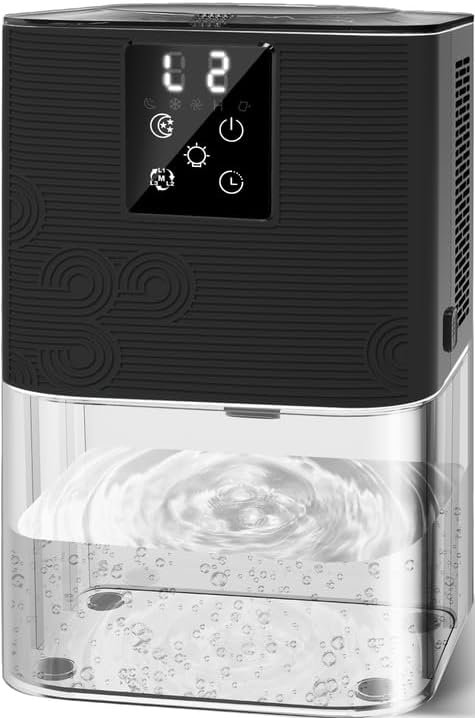
A dehumidifier is an appliance that removes excess moisture from the air. It draws humid air in, cools it so moisture condenses into water, and then releases the drier air back into the room. The collected water is typically stored in a tank that needs to be emptied periodically, or in some models it’s automatically drained using a hose.
Dehumidifiers are especially useful in regions with high humidity, in spaces prone to dampness, or in areas where high moisture leads to mold growth and discomfort.
How Do Dehumidifiers Work?
Most modern dehumidifiers use a refrigeration‑based process, often called a coils‑and‑compressor system:
- Moist air is pulled in through a fan.
- Air passes over cold coils inside the unit.
- Water vapor condenses on these cold coils and drips into a tank or drain hose.
- The drier, warm air passes over warm coils and is released back into the room.
Some models use desiccant material (a drying agent) instead of refrigeration, which works better in cooler environments.
Benefits of Using a Dehumidifier
1. Reduces Mold and Mildew
Mold thrives in humid conditions. By keeping humidity down, a dehumidifier helps prevent mold growth on walls, ceilings, and fabrics — protecting your home and health.
2. Improves Air Quality
Lower humidity reduces dust mites and allergens, making indoor air easier to breathe — especially helpful for people with asthma or allergies.
3. Prevents Condensation
Condensation on windows and walls can lead to peeling paint, warped wood, and structural problems. A dehumidifier helps reduce these issues.
4. Enhances Comfort
Rooms with high humidity can feel muggy and warm. Removing excess moisture makes the air feel cooler and more comfortable.
5. Protects Belongings
Excess humidity can damage clothes, books, instruments, and electronics. A dehumidifier helps preserve items that are sensitive to moisture.
Where Dehumidifiers Are Most Useful
- Basements and Cellars – Commonly damp and poorly ventilated.
- Bathrooms and Laundry Rooms – Areas with steam from showers or washing.
- Kitchens – Moisture from cooking and dishwashing.
- Bedrooms and Living Rooms – For general comfort and health.
- Closets and Storage Rooms – Protects stored items from mildew.
Types of Dehumidifiers
1. Refrigerant (Compressor) Dehumidifiers
- Most common type.
- Works best in warmer, humid environments.
- Efficient and capable of removing large amounts of moisture.
2. Desiccant Dehumidifiers
- Uses moisture‑absorbing materials (desiccants).
- Works well in cooler temperatures.
- Often lighter and quieter than compressor models.
3. Whole‑House Dehumidifiers
- Integrated into the home’s HVAC system.
- Ideal for large homes or continuous moisture control.
- Offers centralized, automatic humidity management.
Key Features to Consider
Capacity (Pints per Day)
Capacity indicates how much moisture the unit can remove in 24 hours. Choose based on room size and humidity:
- Small rooms: 20–30 pints
- Medium spaces: 30–50 pints
- Large rooms/basements: 50+ pints
Auto‑Drain or Tank
- Tank models: Require manual emptying.
- Auto‑drain models: Use a hose to continuously drain into a sink or drain.
Humidity Control (Humidistat)
Built‑in humidistats let you set a desired humidity level. The dehumidifier runs automatically to maintain it.
Energy Efficiency
Look for Energy Star rating or efficient performance to reduce electricity costs.
Portability
Wheels and handles make it easy to move the unit between rooms.
Quiet Operation
Quiet fans and motors are ideal for bedrooms and living areas.
Washable Filter
A reusable filter traps dust and allergens and is easy to clean.
Digital Controls and Display
Easy‑to‑read displays and digital settings improve usability.
How to Use a Dehumidifier Effectively
- Place it in the most humid room — basements or bathrooms are common starting points.
- Set the desired humidity level (typically 40–50% for comfort and mold prevention).
- Ensure proper drainage — empty the tank regularly or use an auto‑drain hose.
- Keep doors and windows closed for best performance.
- Clean the filter regularly to maintain airflow and efficiency.
Common Mistakes to Avoid
- Placing the unit in direct sunlight or near heat sources
- Running the unit with doors/windows open (reduces efficiency)
- Ignoring regular tank emptying or filter cleaning
- Choosing a unit too small for the space
Conclusion
A dehumidifier is a valuable appliance that improves comfort, protects your home, and enhances indoor air quality by controlling excessive moisture. Whether you’re struggling with dampness in a basement, battling condensation in bathrooms, or simply want a more comfortable living space, a dehumidifier offers a practical solution.
Understanding how dehumidifiers work, where to use them, and what features to look for helps you choose the right model for your space — transforming your home into a healthier, more comfortable environment.