




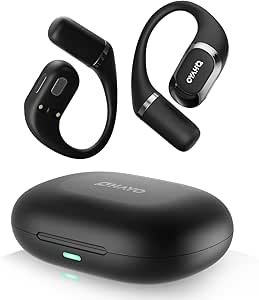
Open Ear Headphones – Comfortable, Safe Listening Without Blocking the World
Open ear headphones are a modern audio solution that lets you enjoy music, podcasts, calls, and more without covering or inserting anything into your ears. Instead of directing sound straight into the ear canal, open ear designs let you hear your audio and your surroundings at the same time — making them a great choice for everyday life, commuting, workouts, and outdoor activities where awareness matters.
What Are Open Ear Headphones?
Open ear headphones are audio devices that sit outside the ears rather than inside them. They deliver sound either through:
- Bone conduction technology — audio is transmitted through the cheekbones or skull directly to the inner ear
- Open-ear speakers — small drivers positioned near the ear that let sound flow outward
This design allows natural ambient sound to mix with your audio, meaning you can stay connected to your surroundings while listening comfortably.
Why Choose Open Ear Headphones?
1. Situational Awareness
Since they don’t block your ear canal, open ear headphones let you hear what’s going on around you. That’s helpful when:
- Walking or jogging outdoors
- Cycling or commuting
- Working in shared spaces
- Listening near traffic or busy environments
You can enjoy your audio without losing awareness of people, announcements, or safety cues.
2. Comfortable for Long Wear
No earbuds deep in your ear or heavy headphones resting on your ears means:
- Less ear fatigue
- Reduced pressure build-up
- Comfortable listening for long hours
This makes open ear designs especially appealing for users who dislike the feeling of in-ear buds.
3. Great for All-Day Listening
Whether you’re listening at work, home, or during break time, these headphones support natural hearing and comfort without isolating you from conversation or background sounds.
4. Ideal for Active Lifestyles
Open ear headphones are popular with runners, walkers, gym goers, and anyone who likes to combine music with life activity — because you don’t lose touch with your environment.
Common Types of Open Ear Headphones
Bone Conduction Headphones
These send sound vibrations through your cheekbones to the inner ear (cochlea), bypassing the ear canal entirely. By doing so:
- You retain awareness of ambient sound
- There’s no plugging or sealing of the ear
- Great balance between audio and external awareness
Open-Speaker Headphones
Instead of transmitting through bone, these use tiny drivers near the ear that project sound outward, allowing:
- A spatial listening experience
- Ambient sound to mix naturally with your audio
Features to Look For
Wireless Bluetooth Connectivity
Most open ear models connect via Bluetooth for tangle-free listening with phones, tablets, and laptops.
Battery Life
Look for models with at least 6–12 hours of playback — longer if you listen all day.
Secure Fit
Flexible, wrap-around designs or comfortable ear hooks help keep the headphones in place during activity.
Built-In Microphone
Integrated mics support hands-free calls and voice commands — handy for meetings or navigation.
Water/Sweat Resistance
Models with an IP rating (e.g., IPX4 or above) are better choices for workouts and outdoor use.
How Open Ear Headphones Work
Open ear designs let sound reach your ears without blocking ambient noise.
- Bone conduction models send vibrations through bones to your inner ear.
- Open-speaker models aim small speakers at your ears from outside.
Unlike in-ear or over-ear headphones that cut you off from the environment, open ear solutions keep your ears physically open, so you can hear music and traffic, conversations, or announcements at the same time.
Open Ear vs Traditional Headphones
| Feature | Open Ear Headphones | Traditional Headphones |
|---|---|---|
| Ear Coverage | Ears remain open | Sealed or inserted |
| Ambient Awareness | High | Low to none |
| Comfort | Very high for long wear | Varies (pressure points possible) |
| Safety for Outdoor Use | Ideal | Risky (blocks ambient sound) |
| Noise Isolation | Low | High |
| Workout Use | Great (airflow, awareness) | Good (depending on model) |
Open ear headphones prioritize comfort and safety over complete noise isolation.
Tips for Best Use
- Set the volume to a level where you can still hear ambient sounds clearly.
- Use during activities where awareness is important (walking, commuting).
- For travel or quiet environments, pair open ear listening with situational awareness rather than noise isolation.
- Promote safe use around traffic and in public spaces.
Final Thoughts
Open ear headphones are a comfortable, practical alternative to traditional earbuds and over-ear models — especially for users who want to stay connected to the world around them while listening to audio. They combine situational awareness, all-day comfort, and versatile performance for workouts, outdoor activities, casual listening, and everyday life.
If you want a version tailored to sports use, bone conduction technology, or commuting safety tips, just let me know!