



Full Face Respirator: Essential Protection for Your Health and Safety
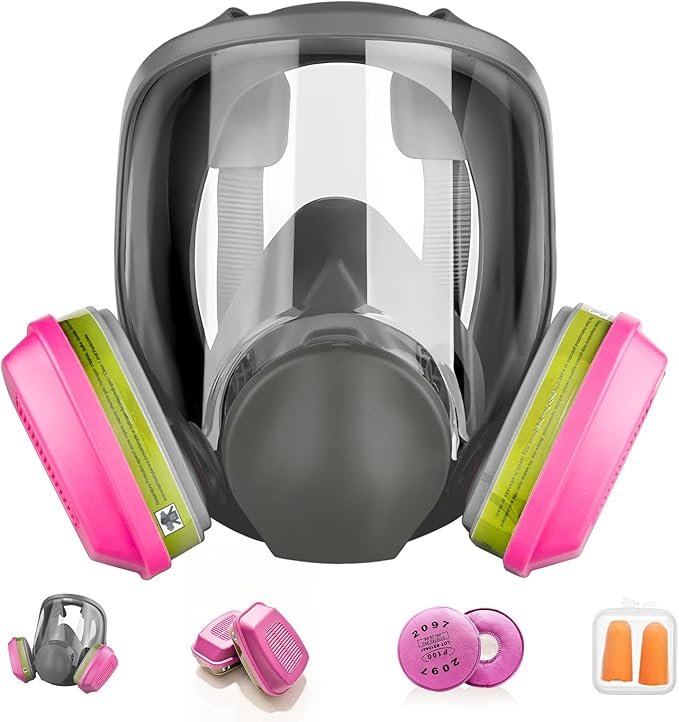
A full face respirator is a vital piece of personal protective equipment (PPE) designed to protect the wearer from inhaling hazardous substances, including dust, fumes, chemicals, and airborne pathogens. Unlike simple dust masks or half-face respirators, a full face respirator provides comprehensive coverage for the entire face, offering protection not only for the lungs but also for the eyes and face. This makes it an essential tool in environments with high exposure to harmful particles, gases, and chemicals.
Key Features of a Full Face Respirator
- Complete Face Coverage:
The full face respirator covers the entire face, including the eyes, nose, and mouth, offering better protection than half-face masks. It features a clear visor or polycarbonate lens that allows the wearer to see clearly while maintaining full respiratory protection. - Multi-Layer Filtration:
Full face respirators use replaceable filter cartridges or filters that remove harmful airborne particles, gases, and vapors. These filters can be selected based on the specific risks of your work environment, such as:- P100 filters for fine particles like dust, smoke, and allergens.
- Chemical filters for protection against volatile organic compounds (VOCs) and other industrial chemicals.
- Combination filters that provide protection against both particulates and gases.
- Comfortable and Secure Fit:
Full face respirators are equipped with adjustable straps or a head harness to ensure a snug and secure fit. This is crucial for preventing contaminants from entering the respirator, ensuring that you receive optimal protection. Many models are also designed with a soft facepiece that sits comfortably against the skin to minimize discomfort during prolonged wear. - Anti-Fogging Lens:
The lens of a full face respirator is often treated with an anti-fog coating to prevent condensation build-up inside the mask, which can impair vision. This feature is particularly useful for people working in humid or high-temperature environments. - Wide Field of View:
Full face respirators typically come with wide, panoramic lenses that offer a clear and unobstructed view, enhancing the wearer’s visibility and safety, especially in hazardous work environments where situational awareness is crucial. - Breathing Resistance:
Full face respirators are designed to reduce breathing resistance while maintaining effective filtration. The exhalation valve allows for easier breathing and helps to reduce the buildup of moisture and heat inside the mask, making it more comfortable for extended use. - Durable Construction:
High-quality full face respirators are made from durable, chemical-resistant materials such as silicone or rubber, ensuring long-lasting protection and comfort even in tough working conditions. - Versatile Use:
Full face respirators can be used in a wide range of settings, including:- Construction sites: For protection against dust, mold, and toxic fumes.
- Chemical plants and laboratories: To protect against hazardous chemicals, gases, and vapors.
- Medical and healthcare environments: In situations where viral exposure or airborne pathogens are a concern (e.g., during infectious disease outbreaks).
- Firefighting: To protect against smoke and particulate matter during fire suppression operations.
- Industrial painting and spray painting: To prevent inhalation of paint fumes and solvents.
Benefits of a Full Face Respirator
- Comprehensive Protection: Full face respirators provide complete respiratory and eye protection by covering both the nose, mouth, and eyes. This is particularly beneficial when working with chemicals, fumes, dust, or airborne pathogens that can affect not just the lungs but also the eyes.
- Enhanced Comfort: The design of full face respirators ensures a snug fit without compromising comfort. Features like soft seals, adjustable straps, and anti-fogging lenses make long hours of wear more tolerable.
- Clear Visibility: With a large, wide field of view and anti-fog lens coatings, full face respirators ensure that you have clear visibility, which is essential when working in hazardous or complex environments.
- Improved Productivity: Wearing a full face respirator ensures that you can work in contaminated environments without worrying about the risks of inhaling harmful substances or being exposed to eye irritants. This leads to increased productivity and confidence while working in potentially dangerous settings.
- Reduced Exposure to Hazards: Whether you’re working with toxic chemicals, infectious agents, or hazardous materials, a full face respirator significantly reduces the risk of exposure, which helps to protect your long-term health.
- Easy Maintenance: Full face respirators are typically easy to maintain, with replaceable filters and cleanable parts. Regular maintenance ensures that the respirator continues to provide effective protection.
Types of Full Face Respirators
- Air-Purifying Respirators (APR):
- These respirators rely on filters and cartridges to remove contaminants from the air. They are commonly used in environments where airborne particles, gases, and vapors are the primary concern.
- Powered Air-Purifying Respirators (PAPR):
- These respirators are equipped with a battery-powered blower that draws air through filters and delivers clean, filtered air to the user. This is ideal for environments where higher air volumes are needed, or where long periods of wear are expected.
- Supplied-Air Respirators (SAR):
- These respirators provide breathable air through a hose connected to a clean air source. They are used in extremely hazardous environments, such as confined spaces or environments with very high concentrations of toxic gases or chemicals.
How to Choose the Right Full Face Respirator
- Assess the Hazards:
- Identify the specific risks in your environment (e.g., chemicals, dust, gases) to determine the right type of filter or cartridge needed. Make sure the respirator is rated for the specific contaminants you will encounter.
- Comfort and Fit:
- Choose a respirator with adjustable straps or a head harness to ensure a secure and comfortable fit. A good fit is essential to ensure no gaps for contaminants to enter the mask. Consider the type of material for the face seal, such as silicone or rubber, which are both durable and comfortable.
- Filter Compatibility:
- Ensure that the respirator is compatible with the appropriate filters for your needs. Some respirators have specific filter models for different contaminants, so check the manufacturer’s recommendations for the right filter type.
- Ease of Maintenance:
- Consider how easy it is to clean and maintain the respirator. Choose models with removable parts and washable facepieces to simplify regular upkeep.
- Visibility:
- Opt for a large, clear lens that offers a wide field of view. This is especially important if you need to work in tight spaces or with intricate tasks where good visibility is essential.
How to Maintain and Use a Full Face Respirator
- Inspect Before Use:
- Always check the respirator for damage or wear, especially the face seal, filters, and straps. Ensure the filters are properly fitted and replace them as needed.
- Regular Cleaning:
- Clean the respirator after each use to prevent the buildup of contaminants. Use mild soap and water, and dry the respirator thoroughly before storing it.
- Replace Filters:
- Filters should be replaced regularly depending on the type of filter used and the level of exposure. Always follow the manufacturer’s guidelines for filter replacement intervals.
- Storage:
- Store the respirator in a clean, dry place away from direct sunlight and extreme temperatures. Avoid storing it in places where it could be damaged or contaminated.