





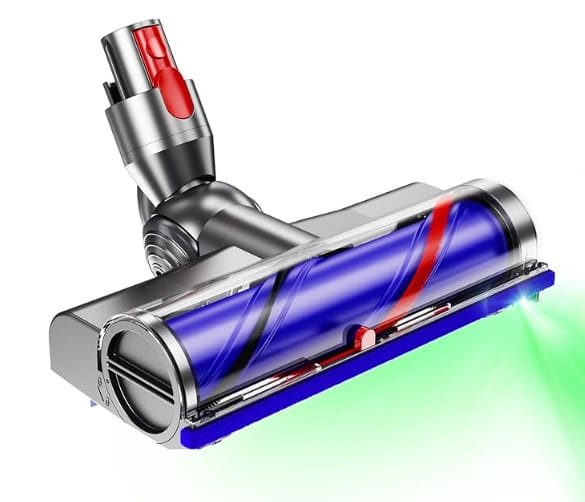
Here’s a complete guide to “Vacuum Replacement” — focusing on the most common replacement parts and accessories people need for vacuum cleaners, plus affiliate-ready product categories you can link to.
Vacuum Replacement Parts & Accessories – Keep Your Vacuum Running Like New
Replacing worn parts regularly helps your vacuum maintain suction power, cleaning performance, and efficiency. Whether you have an upright, canister, robot, stick, or handheld vacuum, most vacuums require periodic part replacements — filters, bags, belts, brushes, batteries, and more.
Common Vacuum Replacement Parts
1. Filters
Filters trap dust and fine particles. Replacing them restores airflow and air quality.
- HEPA Filters – High efficiency for fine dust and allergens
- Foam & Felt Filters – Often used in cheap vacuums or pre-filters
- Carbon Filters – For odor control (especially in robot vacuums)
When to replace: Every 3–6 months (more often in dusty homes)
2. Vacuum Bags
Used in bagged vacuums to collect debris.
- Disposable Bags – Replace when 2/3 full
- Micro-Filtration Bags – Better dust capture, ideal for allergy sufferers
- Universal Fit Bags – Fit multiple brands
When to replace: With every full bag
3. Belts
Belts drive the brushroll. A worn belt causes loss of brush movement and poor carpet pickup.
- Standard Belt Replacement – For most upright vacuums
- Heavy-Duty Belts – Longer life, stronger for pet hair
When to replace: Annually or when you hear slipping or reduced brush action
4. Brushrolls & Brush Heads
Brushes pick debris from carpet and hard floors.
- Replacement Brushroll – When bristles wear or bend
- Beater Bar Kit – For deeper carpet agitation
- Side Brushes (robot vacuums) – Extend cleaning edge
When to replace: Every 12–24 months or if performance drops
5. Batteries
Rechargeable vacuums need fresh battery packs to hold runtime.
- Lithium-Ion Battery Packs – For stick and handheld vacuums
- Replacement Chargers – Same time as a new battery
When to replace: When run-time drops significantly
6. Hoses & Attachments
Cracks or blockages in hoses and tools reduce suction.
- Replacement Hose – Fit specific model
- Crevice Tools – Reach corners and tight spaces
- Brush Attachments – For furniture or upholstery
When to replace: When cracked, split, or airflow restricted
7. Wheels & Casters
Cracked wheels can snag or scratch floors.
When to replace: When the vacuum doesn’t glide smoothly
8. Seals & Gaskets
Worn seals reduce suction. Replacement restores full suction.
When to replace: When suction drops despite clean filters
How Often You Should Replace Parts
| Part | Typical Replacement Interval |
|---|---|
| Filters | Every 3–6 months |
| Bags | When full |
| Belts | Every 6–12 months |
| Brushroll | Every 12–18 months |
| Battery | 1–3 years |
| Side Brushes (robot) | Every 2–3 months |
| Hoses & Wheels | As needed |
Replacement Parts by Vacuum Type
Upright & Canister Vacuums
- HEPA filters
- Belt & brushroll assemblies
- Replacement bags
- Extension wands
Stick & Handheld Vacuums
- Battery replacement packs
- Brushrolls (mini or full)
- Filters (foam or HEPA)
Robot Vacuums
- Side brushes
- Main brush or roller
- HEPA / sponge filters
- Charging contacts / wheels
Vacuum Replacement Categories (Affiliate-Ready)
Below are categories you can link to with your affiliate URLs. Replace the placeholders with your specific products:
| Category | Example Replacement Parts | Best For |
|---|---|---|
| Filters | HEPA & foam vacuum filters | All vacuum types |
| Vacuum Bags | Universal & brand-specific bags | Bagged uprights/canisters |
| Brush Belts | Upright belt replacements | Upright vacuums |
| Brushrolls & Beater Bars | Roller brushes | Carpet/aggressive pick-up |
| Batteries & Chargers | Lithium-ion packs & chargers | Stick/handheld |
| Robot Parts | Side brushes, main rollers | Robot vacuums |
| Hoses & Extensions | Flexible hoses & wands | Canisters & uprights |
| Nozzles & Accessories | Crevice tools & upholstery brushes | Enhanced cleaning |
Tips for Ordering Replacement Parts
- Check your exact model number: Most parts are model-specific.
- OEM vs. Aftermarket: OEM parts usually fit perfectly; quality aftermarket parts can offer good value.
- Compare spec numbers: Match part numbers printed on filters, belts, or bags.
- Read reviews: Suction power, fit, and durability vary by vendor.
- Check warranty: Some replacement parts come with short warranties.
How to Replace Common Parts
Changing a Vacuum Filter
- Unplug your vacuum
- Open filter compartment
- Remove used filter
- Install new filter with correct orientation
- Close and test suction
Replacing a Belt
- Unplug vacuum
- Tip on side and access brush cover
- Remove old belt
- Install new belt onto motor shaft & brushroll
- Reassemble
Swapping a Battery
- Turn off & remove old battery (usually from base)
- Slide in new battery pack
- Charge fully before first use
When to Seek Professional Help
- If the motor sounds strained despite clean filters
- If belts keep breaking
- If electronic controls fail
- If robot wheels or sensors malfunction
A local appliance repair specialist can diagnose whether a replacement part alone will fix the issue.
Final Thoughts
Regularly replacing vacuum parts prolongs performance, improves suction, and prevents costly breakdowns. From filters and belts to brushrolls and batteries, keeping common parts fresh ensures your vacuum keeps cleaning at peak efficiency.
If you tell me your vacuum brand and model (e.g., Dyson V11, Shark Navigator, Roomba i7), I can generate a specific parts list with exact part numbers and affiliate link placeholders ready for your store or blog.