



Toenail Fungus Treatment: Restore Healthy Nails with Effective Solutions
Toenail fungus, also known as onychomycosis, is a common condition that can cause discomfort and embarrassment. It often appears as discolored, thickened, or brittle nails and can sometimes lead to pain or infection if left untreated. Fortunately, toenail fungus treatment options are available, ranging from over-the-counter creams and medicated solutions to home remedies and more advanced prescription treatments. With the right approach, you can restore the health and appearance of your nails.
One of the most common ways to treat toenail fungus is through topical antifungal treatments. These creams, gels, or ointments are applied directly to the infected nail and surrounding area. Active ingredients like clotrimazole, terbinafine, or miconazole work to kill the fungus and prevent it from spreading. These treatments are generally easy to use and can be found at most pharmacies without a prescription. However, they may take several weeks to show results and are often most effective for mild to moderate cases of toenail fungus.
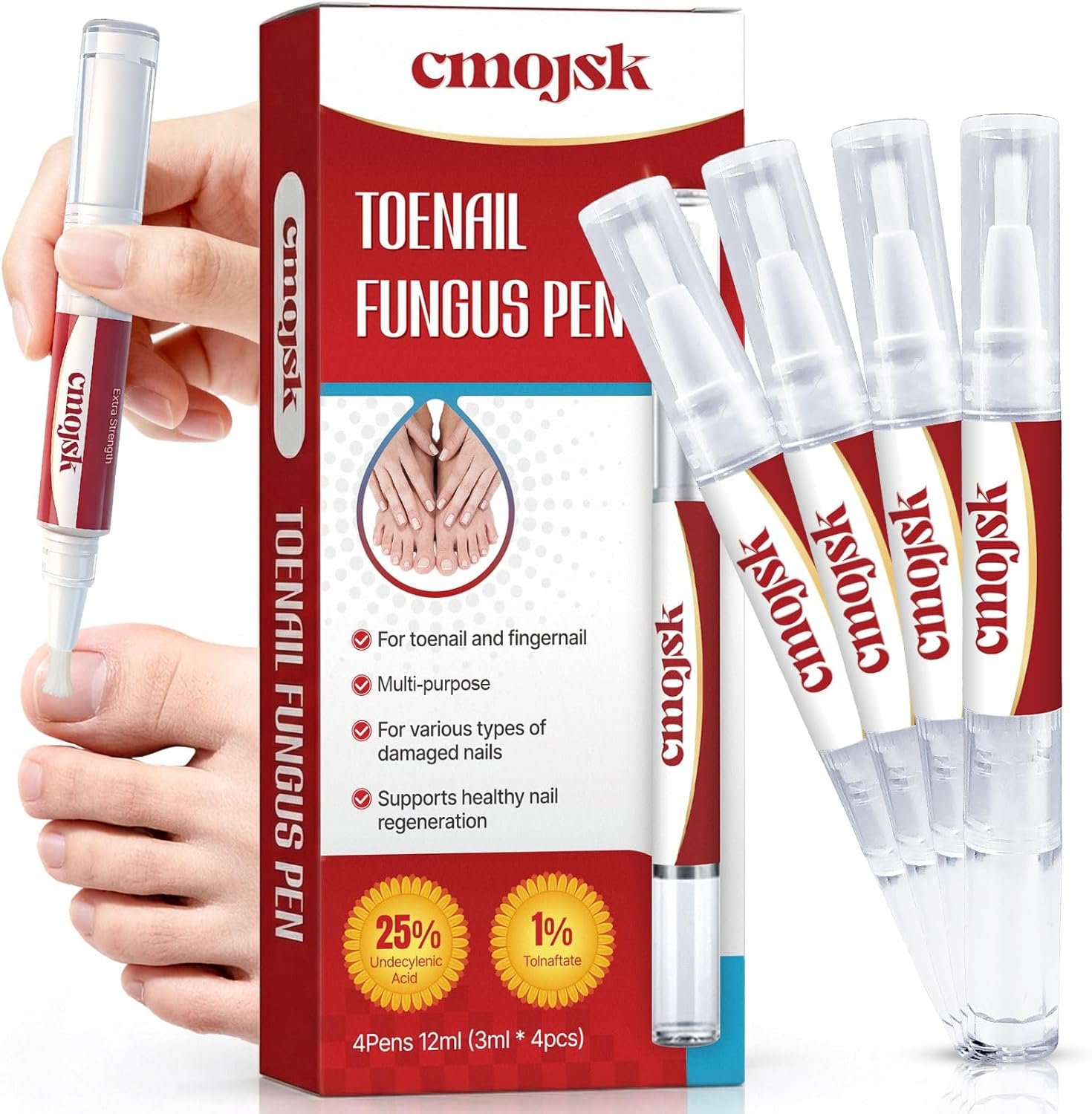
For a more targeted treatment, medicated nail lacquers can be a great option. These products are painted directly onto the infected nail, creating a protective barrier while delivering antifungal agents deep into the nail bed. One popular option is Ciclopirox, a prescription nail lacquer that helps treat fungal infections by inhibiting the growth of the fungus. Nail lacquers are typically easy to apply and can be discreet under regular nail polish.
In cases of severe or persistent toenail fungus, oral antifungal medications may be recommended. Drugs like terbinafine or itraconazole work by treating the infection from the inside out. They help eliminate the fungus throughout your body, allowing your nails to grow back healthy and clear. While these medications are typically effective, they may come with potential side effects, and your doctor will usually monitor you during the treatment period to ensure safe usage. Oral treatments often require a few months of use to fully clear the infection.
In addition to medical treatments, home remedies can be a great way to naturally support toenail fungus treatment. Tea tree oil, known for its antifungal properties, can be applied directly to the affected nail to help fight the fungus. Another option is apple cider vinegar, which, when diluted with water, can create an acidic environment that discourages fungal growth. Garlic, with its natural antifungal properties, can also be applied to the nail or consumed to boost the immune system.
Maintaining proper foot hygiene is essential during the treatment of toenail fungus. Regularly washing and thoroughly drying your feet, especially between the toes, can help prevent the buildup of moisture, which encourages fungal growth. Wearing breathable socks and shoes and avoiding walking barefoot in public spaces, such as swimming pools or locker rooms, can also help reduce the risk of reinfection.
If over-the-counter treatments don’t improve your toenail fungus, or if the infection is causing pain or spreading, it’s important to consult a healthcare provider. They can offer stronger prescription treatments, conduct tests to confirm the fungus type, and recommend a treatment plan tailored to your needs.
After successfully treating toenail fungus, taking steps to prevent reinfection is crucial. Keeping your feet dry, wearing moisture-wicking socks, and ensuring proper ventilation for your shoes can all help in maintaining healthy nails. Regularly trimming your nails and avoiding tight footwear are also important measures to prevent future fungal infections.
With the right toenail fungus treatment and proper foot care, you can achieve clear, healthy nails once again. Don’t let toenail fungus affect your confidence—take action today for better foot health.