


Natural Food Coloring – Healthy and Vibrant Alternatives
Natural food coloring is made from plant-based, fruit, vegetable, or spice extracts instead of synthetic dyes. It’s widely used for coloring foods, desserts, and beverages while avoiding artificial ingredients. These colorings are safe, eco-friendly, and ideal for people seeking healthier alternatives for cooking, baking, or holiday recipes.
What Is Natural Food Coloring?
Natural food coloring is derived from natural sources such as:
- Fruits and vegetables
- Spices and herbs
- Plants and flowers
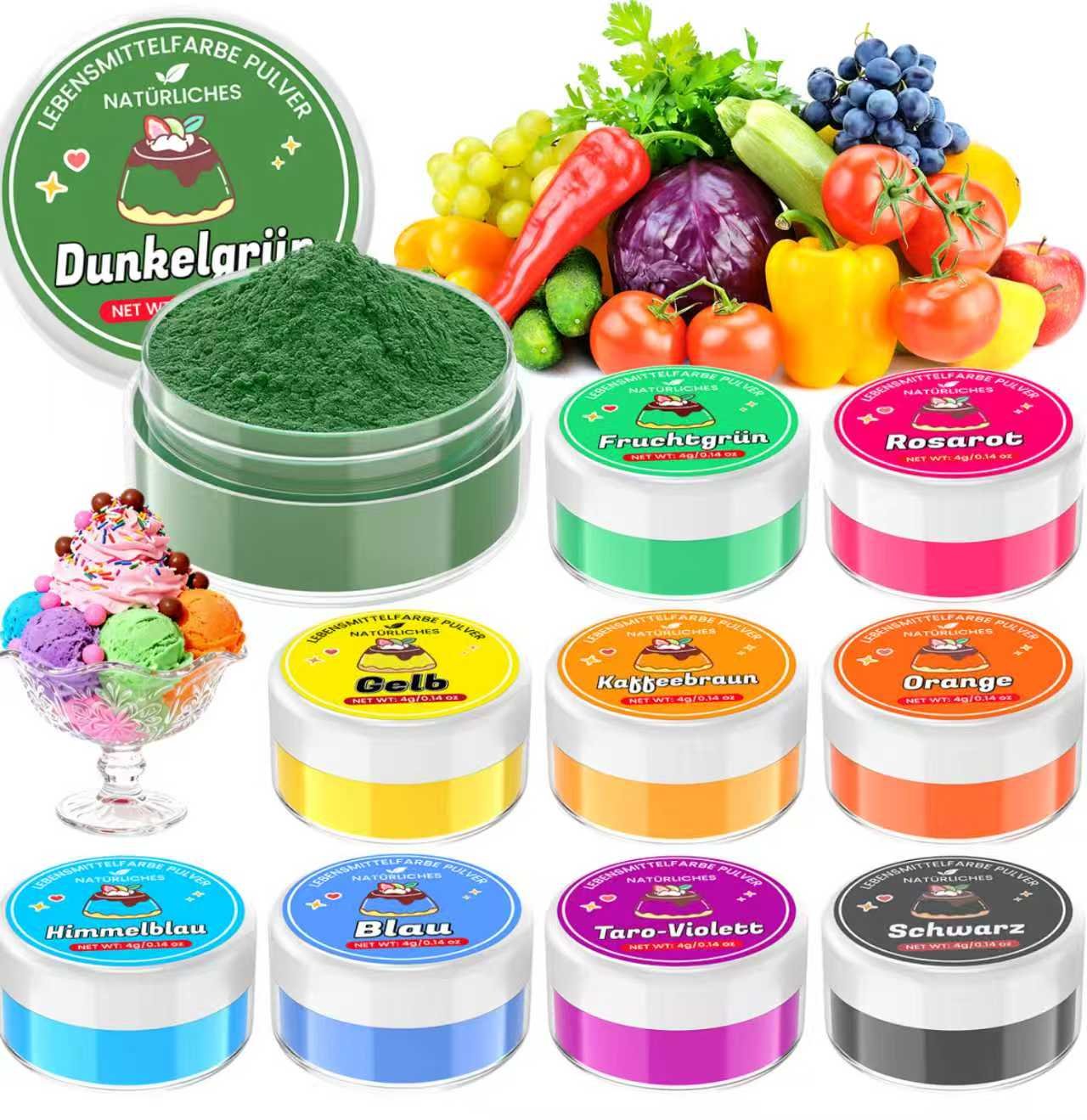
Unlike synthetic dyes, natural colorings are edible, non-toxic, and often add subtle flavors to dishes. They are available in liquid, powdered, or paste form and can be used in both hot and cold recipes depending on the source.
Common Natural Food Coloring Sources
| Color | Source | Notes |
|---|---|---|
| Red/Pink | Beetroot, pomegranate, strawberries | Mild flavor; works in cakes and frostings |
| Yellow | Turmeric, saffron | Strong pigment; use small quantities to avoid taste |
| Green | Spinach, parsley, matcha | Fresh or powdered; ideal for doughs and icing |
| Blue | Red cabbage + baking soda | Color changes with pH; suitable for frostings and drinks |
| Purple | Blueberries, blackberries | Works for icings, jams, and beverages |
| Orange | Carrot juice, paprika | Natural, subtle color for baked goods |
How to Use Natural Food Coloring
- Extract the Color: Blend or boil the fruit/vegetable to release pigment. Strain if needed.
- Add to Recipe: Mix liquid, paste, or powder into dough, frosting, beverages, or gelatin.
- Adjust Intensity: Use more or less extract depending on desired shade.
- Combine Colors: Mix natural dyes to create custom hues. For example, yellow turmeric + red beet juice = orange.
Benefits of Natural Food Coloring
- Healthier: Free from synthetic chemicals and artificial additives.
- Eco-Friendly: Made from renewable, plant-based sources.
- Safe for Children: Ideal for baking or cooking with kids.
- Flavor Enhancement: Some colors (like spices) add subtle taste alongside color.
- Allergy-Friendly: Suitable for those sensitive to artificial food dyes.
Tips for Best Results
- Some natural dyes are sensitive to heat or acidity, so test before using in baked goods.
- Use concentrated extracts for stronger color without affecting taste.
- Combine with other natural dyes for pastel or bright shades.
- Store powdered or paste forms in a cool, dry place for longer shelf life.
Popular Uses
- Decorating Easter eggs
- Coloring frostings, icings, and dough
- Homemade candies and gummies
- Smoothies and drinks
- Natural jelly, jams, and sauces
Natural food coloring is a safe, creative, and eco-conscious way to add color to your meals and desserts. It allows for vibrant results while maintaining a focus on health and sustainability, making it perfect for everyday cooking or special occasions.