

Easter Food Coloring – A Complete Guide
Easter food coloring is widely used during the Easter season to add bright, festive colors to eggs, baked goods, desserts, and holiday treats. It is a simple and safe way to make traditional Easter activities more enjoyable, especially for families and children.
What Is Easter Food Coloring?
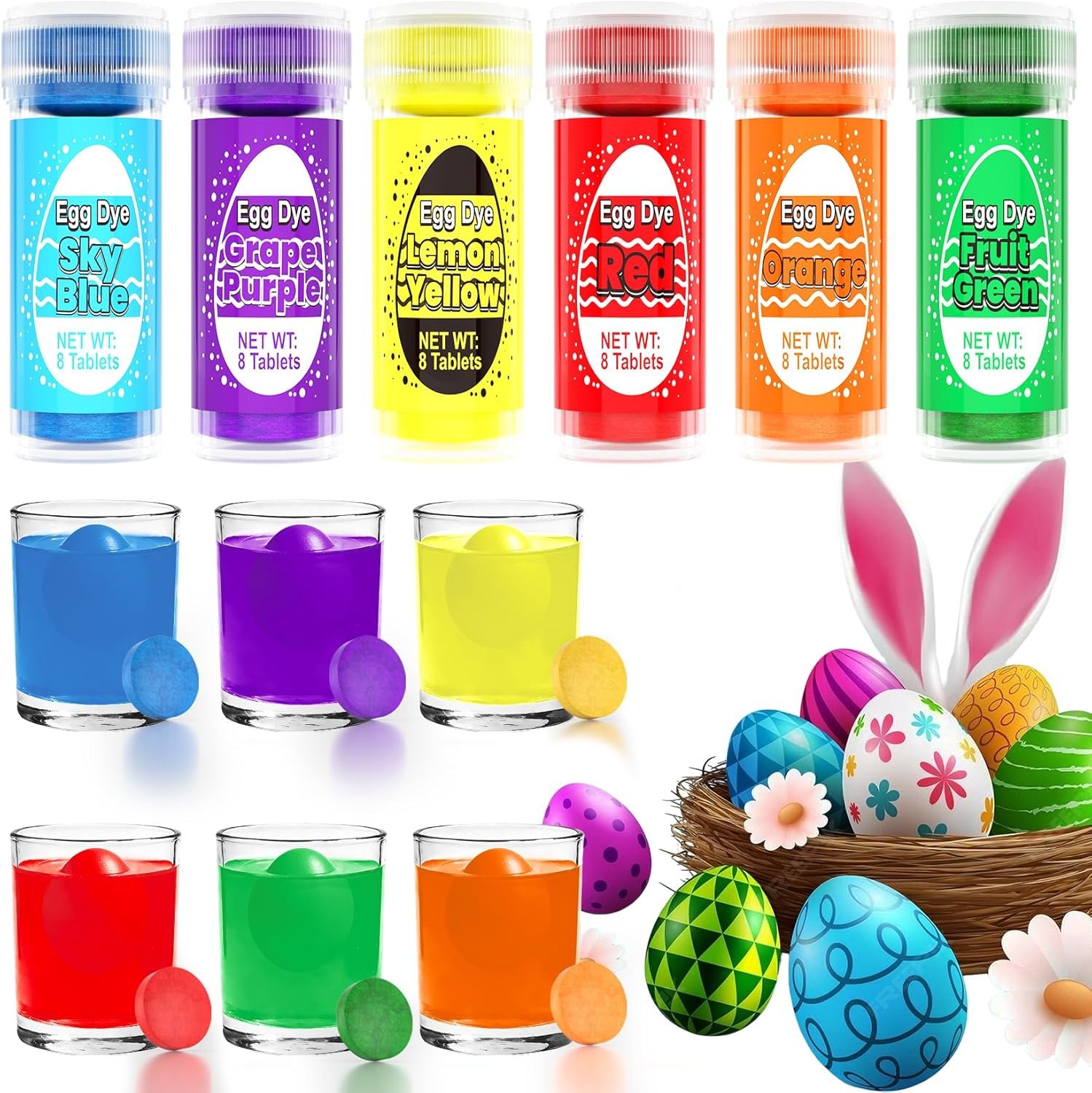
Easter food coloring refers to edible dyes that are safe for use in food and drinks. These colors are commonly available in:
- Liquid food coloring
- Gel food coloring
- Powdered food coloring
- Natural food-based dyes
They are specially popular around Easter for creating soft pastel shades as well as vibrant spring colors.
Using Food Coloring for Easter Eggs
Food coloring is most commonly used to dye hard-boiled eggs. The dye bonds with the eggshell more effectively when mixed with an acidic ingredient such as vinegar.
Basic egg coloring process:
- Warm water is mixed with food coloring and vinegar
- Eggs are dipped into the mixture
- Color intensity increases with longer soaking time
- Eggs are removed and left to dry completely
This method allows for light pastel tones or deeper, richer colors depending on preference.
Other Uses of Easter Food Coloring
Easter food coloring is not limited to eggs. It is also used in many holiday recipes and decorations, including:
- Cake frosting and icing
- Cupcakes and cookies
- Marshmallows and candies
- Gelatin desserts
- Sugar decorations
Gel food coloring is often preferred for baking because it provides strong color without changing texture.
Natural Easter Food Coloring Options
Some people choose natural alternatives made from fruits, vegetables, and spices. These provide softer, more earthy colors and are food-safe.
Common natural dye sources include:
- Beet juice for red or pink shades
- Turmeric for yellow
- Red cabbage for blue or purple
- Spinach for green
- Blueberries for purple tones
Natural dyes usually require longer soaking times but offer a traditional and chemical-free option.
Safety and Handling
When using Easter food coloring:
- Always use food-grade coloring if eggs will be eaten
- Protect surfaces and clothing from stains
- Allow eggs to dry before handling or displaying
- Store colored eggs in the refrigerator if intended for consumption
Food coloring is safe when used as directed and is suitable for family activities.
Easter Tradition and Use
Coloring eggs with food dye is a long-standing Easter tradition that symbolizes renewal and new life. Over time, it has become a creative activity enjoyed across cultures, making Easter celebrations more colorful and memorable.
Easter food coloring remains an essential part of holiday preparations, offering endless creative possibilities for decorating eggs and festive foods while keeping traditions alive.