


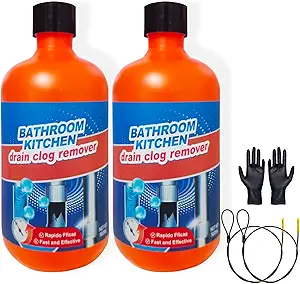
Drain Clog Remover – Quick, Effective Solutions to Clear Blocked Drains
Drain clog removers are essential tools and products for keeping your home’s plumbing flowing smoothly. From kitchen sinks to bathroom showers and tubs, everyday debris like hair, grease, soap scum, and food particles can collect inside your pipes and lead to slow drains or full blockages. A good drain clog remover helps you clear these stoppages quickly and safely — restoring proper flow and reducing the need for costly plumber visits.
This blog explains how drain clog removers work, different types available, when to use them, and tips to prevent clogs in the first place.
What Is a Drain Clog Remover?
A drain clog remover is any product or tool designed to eliminate blockages in household drains. These removers work by:
- Breaking down or dissolving build‑up inside pipes
- Physically removing debris that’s blocking flow
- Clearing hair, grease, soap residue, and food particles
They range from chemical solutions to mechanical tools — each suited to different types of clogs and drain locations.
Common Types of Drain Clog Removers
1. Chemical Drain Cleaners
These are liquid or gel formulas that use powerful cleaning agents to dissolve organic material inside the drain.
Pros:
- Fast‑acting
- Minimal physical effort
- Easy to use
Cons:
- Not ideal for old, fragile pipes
- Can be harsh on septic systems if overused
- Requires careful handling (protective gloves recommended)
2. Enzymatic/Organic Cleaners
Biodegradable cleaners use enzymes or bacteria to naturally break down greasy build‑up over time.
Pros:
- Gentle on pipes and septic systems
- Safe for regular maintenance
- Environmentally friendly
Cons:
- Works more slowly than chemical versions
- Best for mild build‑up
3. Mechanical Tools
Tools like plumbing snakes, coil augers, or spring drain cleaners physically reach into pipes to pull or push debris free.
Pros:
- Effective for tough clogs
- Doesn’t use chemicals
- Reusable
Cons:
- Requires some effort
- Not as quick as chemical action for minor clogs
4. Manual Hair or Debris Removers
Simple handheld tools with hooks or grips can pull hair and buildup from shower and bathroom drains.
Pros:
- No chemicals
- Affordable and reusable
- Good for shallow clogs
Cons:
- Limited to surface debris
- Not effective for deep or stubborn blockages
How Drain Clog Removers Work
Chemical Cleaners
Pour the recommended amount into the clogged drain, wait the specified time, and then flush with hot water. The cleaner breaks down the clog so water can flow freely again.
Plumbing Snake / Auger
Insert the flexible cable into the drain and turn the handle or crank. When it encounters the clog, it breaks it apart or pulls debris back out of the pipe.
Enzymatic Cleaners
These products are poured into the drain and allowed to work slowly, often overnight, to digest buildup without harsh chemicals.
Where to Use Them
Kitchen Sinks:
Grease, food scraps, and soap residue commonly build up here. A kitchen clog remover suited to grease is ideal.
Bathroom Drains:
Hair, soap scum, and small debris often block shower or sink drains. Mechanical tools or enzymatic cleaners work well.
Bathtub and Shower Drains:
Handheld hair removers or plumbing snakes are especially useful here.
Floor Drains:
Occasionally need deeper clog removal; versatile tools or drain cleaners are effective.
Safety Tips for Using Chemical Drain Cleaners
- Wear gloves and eye protection.
- Ventilate the area to avoid fumes.
- Do not mix products (e.g., acidic and alkaline cleaners) — dangerous reactions can occur.
- Follow instructions exactly on the label.
- Rinse thoroughly after use to prevent residue.
When to Use a Drain Clog Remover
Use a drain clog remover when you notice:
- Slow draining water
- Gurgling sounds from drains
- Foul odors from drainpipe
- Standing water in sink, shower, or tub
If drain uncloggers don’t resolve the issue, it may be time to consult a professional plumber — especially for recurring or severe blockages.
Preventing Future Clogs
A few habits can keep drains clearer longer:
- Kitchen: Use strainers and avoid pouring grease down the drain.
- Bathroom: Use a hair catcher or drain guard.
- Flush regularly: Run hot water after soaps and food prep.
- Routine maintenance: Use enzymatic drain cleaner monthly to reduce build‑up.
Choosing the Right Product
When selecting a drain clog remover, consider:
- Type of clog (hair vs grease vs soap build‑up)
- Pipe material (plastic vs older metal plumbing)
- Safety and environmental preference (chemical vs enzyme)
- Ease of use and speed of results
For everyday household clogs, a combination of gentle enzymatic maintenance and periodic mechanical clearing often keeps drains flowing well.
Final Thoughts
A drain clog remover is a practical solution for common household plumbing issues. Whether you choose a chemical product for fast action, an enzymatic formula for gentle maintenance, or a mechanical tool for stubborn blockages, having the right remover on hand can save time, prevent more serious problems, and keep your home running smoothly.
Using the right product responsibly — combined with good drainage habits — helps you maintain clog‑free sinks, showers, and drains with minimal stress and effort.
If you want, I can also tailor a version focusing specifically on bathroom drains, kitchen grease clogs, or eco‑friendly options — just let me know!