



Detox Tea – What It Is, How It Works, and What to Know
Detox tea refers to herbal tea blends formulated to support the body’s natural cleansing processes. While no beverage can “flush out toxins” in a medical sense on its own, detox teas are popular for promoting hydration, supporting digestion, and encouraging healthier habits. Many users drink them as part of a wellness routine to feel lighter, more energized, and more mindful about dietary choices.
This blog explains what detox tea is, common ingredients, how it’s typically used, potential benefits, and important safety considerations.
What Is Detox Tea?
Detox tea is a herbal infusion made from a blend of plants, roots, leaves, and spices traditionally associated with digestion, cleansing, metabolism, or liver support. These blends are often marketed as a way to help the body support its natural elimination pathways — including the digestive tract, liver, and kidneys.
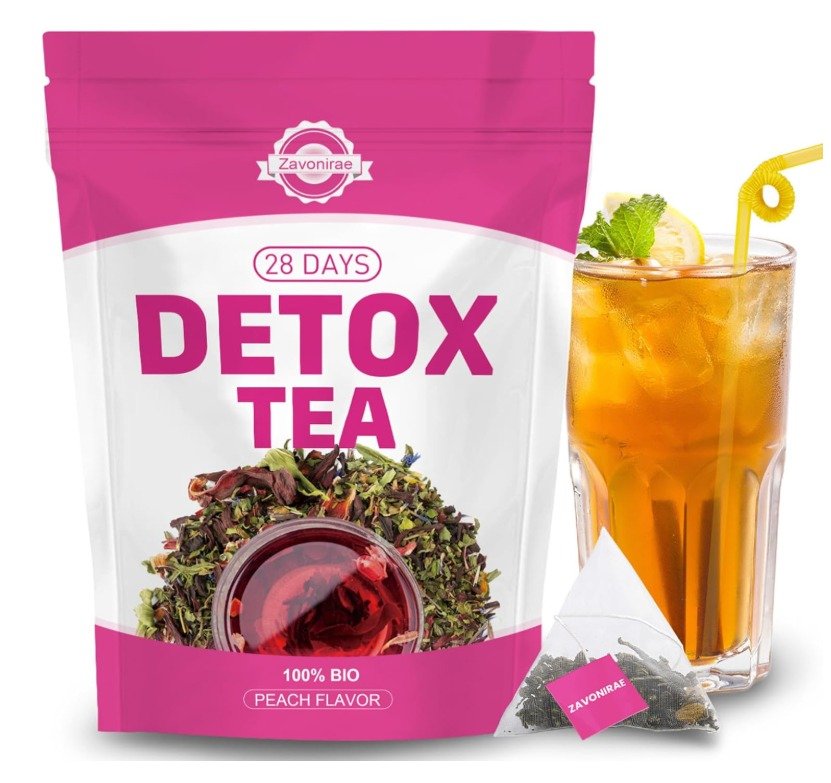
Most detox teas come in loose leaf or tea bag form and are brewed like regular tea.
Common Ingredients in Detox Teas
Different blends use various herbs and plants, but many include:
- Green tea – Rich in antioxidants and may support metabolism
- Dandelion root – Traditionally used for digestion and liver support
- Ginger – Aids digestion and may reduce feelings of bloating
- Turmeric – Contains curcumin, an anti‑inflammatory compound
- Peppermint – Helps soothe the digestive system
- Lemongrass – Common in herbal blends for flavor and mild cleansing support
- Senna leaf or cascara sagrada – Natural laxatives found in some detox teas
Some ingredients are included for flavor and aroma, while others are chosen for their traditional use in herbal medicine.
How Detox Tea Is Commonly Used
Detox tea routines vary widely, but typical usage includes:
- Daily cup: Drinking one serving in the morning or afternoon as part of a wellness routine
- Short‑term cleanse: Following a recommended brief period (often 7–14 days) during a change in diet or lifestyle
- Support with healthy habits: Drinking alongside increased water intake, balanced meals, and regular activity
Many people view detox tea as a complement to broader lifestyle changes rather than a stand‑alone solution.
Potential Benefits People Seek
Hydration
Drinking herbal tea contributes to daily fluid intake, which is essential for overall health, digestion, and metabolism.
Digestive Comfort
Ingredients like ginger, peppermint, and fennel may help ease occasional bloating, gas, or feelings of heaviness after meals.
Antioxidants
Teas with green tea, turmeric, or other plant ingredients contain antioxidants, which support general health as part of a balanced diet.
Mindful Routine
Preparing and sipping tea can be a calming ritual that helps people focus on wellness goals and mindful eating.
It’s important to note that research on detox teas is limited, and outcomes vary by individual.
What Detox Tea Doesn’t Do
While detox teas may support hydration and digestion, they do not remove toxins from the body on their own. The liver, kidneys, lungs, skin, and lymphatic system work continuously to eliminate waste. No single tea can replace the body’s complex, natural detoxification systems.
Claims that a tea can “cleanse the bloodstream,” “flush fat,” or cause rapid weight loss should be viewed skeptically. Any short‑term weight change may be related to water loss rather than fat reduction.
Safety Considerations
1. Ingredients Matter
Some detox teas include natural laxatives like senna, which can cause cramping, diarrhea, or dehydration if used excessively.
2. Digestive Sensitivity
People with sensitive stomachs may experience discomfort with certain herbs. Start with a smaller serving to assess tolerance.
3. Interactions
Herbal ingredients can interact with medications. For example:
- Blood thinners
- Diabetes medications
- Blood pressure drugs
Consult a healthcare provider if you take regular medications.
4. Pregnancy and Nursing
Pregnant or breastfeeding individuals should ask a healthcare professional before using detox teas, especially those with strong herbal ingredients.
5. Not a Substitute for Medical Care
If you have chronic conditions such as liver, kidney, or digestive disorders, herbal detox teas are not a treatment. Always follow medical advice.
Tips for Using Detox Tea Wisely
- Stay well hydrated with water throughout the day.
- Pair tea with balanced nutrition, fiber, and regular activity for best results.
- Use teas for comfort and routine rather than dramatic expectations.
- Read labels carefully and avoid products with excessive stimulants or unknown additives.
- Stop use and consult a healthcare provider if you experience adverse effects.
How to Brew Detox Tea
- Boil fresh water.
- Steep tea bags or loose herbs (1–2 teaspoons per cup) for 5–10 minutes.
- Strain and enjoy warm, or chill for a refreshing cold brew.
- Add lemon or a natural sweetener if desired.
Enjoying herbal tea mindfully can be a pleasant part of your daily wellness habits.
Final Thoughts
Detox tea can be a soothing and hydrating herbal beverage that supports digestion and complements healthy routines. While it’s not a magical cleanse or a standalone detox solution, many people appreciate its taste, ritual, and mild effects on digestive comfort.
Used thoughtfully and as part of a balanced lifestyle — with proper hydration, nutrition, and rest — detox tea can be a supportive element of overall wellbeing.
If you want, I can also outline how to choose a detox tea based on specific health goals (e.g., digestion, energy, or relaxation).