

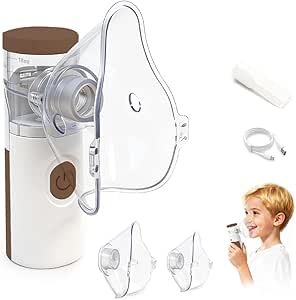
Nebulizer Machine: A Key Tool for Respiratory Health
A nebulizer machine is a medical device used to deliver medication directly into the lungs by turning liquid medication into a fine mist or aerosol. This treatment is often used for individuals with respiratory conditions such as asthma, chronic obstructive pulmonary disease (COPD), or other lung diseases that require inhaled medication. Nebulizers are particularly helpful for patients who find it difficult to use inhalers, such as young children or those with severe respiratory issues.
1. What is a Nebulizer Machine?
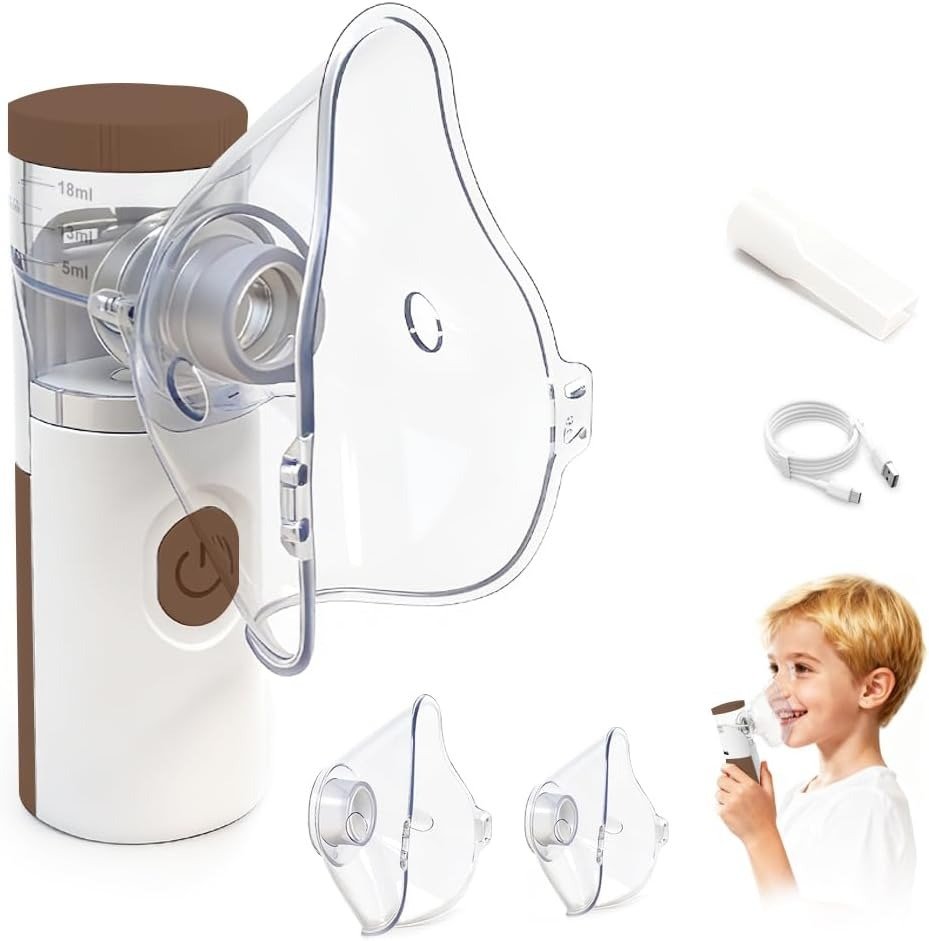
A nebulizer is a small, portable device that helps in the treatment of respiratory conditions by converting liquid medication (like bronchodilators or steroids) into a mist that can be inhaled. The mist is inhaled through a mouthpiece or mask, allowing the medication to reach the lungs quickly and efficiently.
2. Types of Nebulizers
There are several types of nebulizers available, each with unique features:
- Compressor Nebulizers: These are the most common type. They work by using compressed air to convert the medication into a fine mist.
- Ultrasonic Nebulizers: These use high-frequency sound waves to create the mist, which makes them quieter than compressor nebulizers.
- Mesh Nebulizers: These are the smallest and most portable, using a mesh to vibrate and turn liquid into a mist. They are often battery-operated and ideal for travel.
3. How a Nebulizer Works
- Fill the Nebulizer: The patient places a prescribed dose of liquid medication in the nebulizer cup.
- Connect to Power: The machine is connected to a power source, either electric or battery-operated.
- Start Inhalation: The nebulizer creates a fine mist of medication that the patient inhales through a mask or mouthpiece.
- Duration: The treatment typically lasts for 10-15 minutes, during which the medication is delivered to the lungs.
4. Benefits of Using a Nebulizer
- Effective Delivery of Medication: Nebulizers ensure that the medication reaches deep into the lungs, offering faster and more efficient relief.
- Ease of Use: For individuals who struggle with inhalers, especially children or the elderly, nebulizers provide a simpler alternative.
- Versatility: Nebulizers can be used with a wide range of medications prescribed for respiratory issues.
- Consistent Medication Delivery: Nebulizers allow for the slow and continuous delivery of medication, which can be more effective for certain conditions than using an inhaler.
5. When to Use a Nebulizer
Nebulizers are typically used when a person needs immediate relief or when they are not able to manage with an inhaler alone. Some common conditions treated with nebulizers include:
- Asthma: Helps relieve asthma symptoms by delivering bronchodilators or corticosteroids directly into the lungs.
- COPD: Used for managing chronic obstructive pulmonary disease by easing shortness of breath and improving lung function.
- Respiratory Infections: Nebulizers can deliver antibiotics or other treatments for infections like pneumonia or bronchitis.
- Allergic Reactions: Some medications for allergies can also be delivered via nebulizers.
6. Considerations for Choosing a Nebulizer
- Portability: For frequent travelers, a lightweight, battery-operated nebulizer is ideal.
- Noise Level: Some nebulizers, like ultrasonic models, are quieter than others, making them more comfortable to use, especially for children.
- Ease of Cleaning: Regular cleaning is essential to prevent the buildup of bacteria. Look for nebulizers with easy-to-clean parts.
- Size of Medication Reservoir: Larger reservoirs may allow for longer treatments without needing to refill.
7. How to Maintain Your Nebulizer
Proper maintenance and cleaning of your nebulizer are crucial to ensure its effectiveness and longevity:
- Clean After Each Use: After every treatment, clean the nebulizer parts with warm water and mild soap. Rinse and let them air dry.
- Replace Filters: If your nebulizer has a filter, replace it as recommended by the manufacturer.
- Check for Wear and Tear: Regularly check the tubing, mouthpiece, and other components for signs of wear and replace them as needed.
8. Conclusion
A nebulizer machine is an essential tool for individuals with respiratory issues who need efficient, targeted medication delivery. It provides a simple, effective way to treat conditions like asthma and COPD, ensuring that medication reaches the lungs quickly. With different types available, it’s important to choose a nebulizer that suits your needs, whether it’s for home use or on the go. Always follow your healthcare provider’s instructions for medication and nebulizer use to ensure the best results.