



Food Dehydrator Machine: The Ultimate Guide for Healthy, Long-Lasting Snacks
A food dehydrator machine is a must-have appliance for anyone looking to preserve food, create healthy snacks, or reduce waste. Whether you’re interested in making your own dried fruits, jerky, or homemade herbs, a dehydrator can help you extend the shelf life of various foods while retaining their nutrients. This comprehensive guide will walk you through what a food dehydrator is, how it works, its benefits, and how to choose the best one for your needs.
What is a Food Dehydrator Machine?
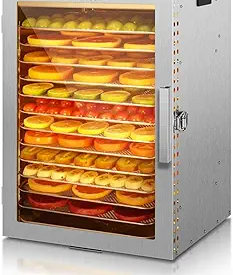
A food dehydrator machine is a kitchen appliance that removes moisture from food through a controlled heat process. By using warm air circulation and low temperatures, the dehydrator slowly dries out food, which helps prevent the growth of bacteria, yeast, and molds that require moisture to thrive. The end result is dried food that is lightweight, shelf-stable, and can last for months or even years when stored properly.
Unlike other methods of preserving food like canning or freezing, dehydrating food helps retain much of the food’s original flavor, nutrients, and color. Popular foods to dehydrate include fruits (like apples, bananas, and strawberries), vegetables (such as tomatoes, zucchini, and peas), meats (like beef jerky), and herbs (such as basil, thyme, and oregano).
How Does a Food Dehydrator Work?
Food dehydrators work by circulating hot air around the food at a consistent temperature, typically between 95°F (35°C) and 160°F (71°C), depending on the type of food being dehydrated. The machine typically consists of a heat source, a fan, and trays that hold the food. The heat source warms the air, and the fan circulates this air over the food, causing the moisture to evaporate. This process usually takes several hours, depending on the moisture content and thickness of the food.
Key components of a food dehydrator include:
- Heat Source: Provides the warmth necessary to evaporate the water from food.
- Fan: Circulates the warm air to evenly distribute heat over the food.
- Trays: Stackable surfaces on which you place the food to dry.
- Thermostat: Allows you to set and control the temperature.
Benefits of Using a Food Dehydrator
1. Preserves Nutrients and Flavor
One of the biggest advantages of using a food dehydrator is that it retains most of the food’s nutritional value. Unlike other preservation methods such as canning, which can cause nutrient loss, dehydrating helps preserve vitamins and minerals. For example, dehydrated fruits and vegetables retain their fiber, vitamins (A, C, K), and antioxidants, making them a healthy snack option.
Additionally, dehydration helps maintain the natural flavor of the food, making dried foods just as delicious as fresh. You can enjoy flavorful dried mangoes, strawberries, or apples without any added preservatives or artificial ingredients.
2. Convenience and Portability
Dried foods are lightweight and easy to transport, making them ideal for hiking, camping, or long trips. With a food dehydrator, you can prepare large batches of snacks or meals, which you can take on the go without worrying about spoilage. Dried fruits, nuts, and jerky make for nutritious and portable snacks for both adults and kids.
3. Cost-Effective
By dehydrating your own food, you can save money. Purchasing store-bought dried fruits, jerky, and other preserved foods can get expensive over time. With a dehydrator, you can buy food in bulk and preserve it yourself. It also reduces food waste since you can dehydrate fresh produce before it spoils and enjoy it long after the season is over.
4. Preserves Seasonal Foods
Food dehydrators make it easy to preserve foods that are in season. For example, if you have an abundant harvest of tomatoes in the summer, you can dry them and use them throughout the winter months. The same goes for fruits like peaches, plums, or apples. Dehydrating allows you to preserve the flavors of your favorite foods all year round.
5. Healthy Snack Options
With a dehydrator, you can create your own healthy snacks without added sugar, preservatives, or artificial additives. Make your own dried fruit, vegetable chips, or beef jerky with only the ingredients you choose. You can control the amount of salt, sugar, and seasonings, ensuring healthier snacks that cater to your taste.
6. Easy Storage and Shelf Life
Dehydrated food takes up much less space than fresh or frozen food. Once dried, food can be stored in air-tight containers, bags, or jars, and can last for months or even years. This makes dehydrated food perfect for emergency preparedness or for those who like to stock up for the future.
Types of Food Dehydrator Machines
There are a variety of food dehydrators on the market, each with its own features and capabilities. Here’s a breakdown of the main types:
1. Stackable Tray Dehydrators
These dehydrators have stackable trays that hold the food. The heat and air are circulated from the base of the machine, and the food dries from the bottom up. Stackable tray models are typically compact, affordable, and easy to use. However, they can be slower than other models and may require more attention to ensure even drying.
2. Excalibur-Style Dehydrators (Horizontal Flow)
Excalibur-style dehydrators use horizontal airflow, meaning the air is circulated from a fan located at the back of the unit. This allows for more even drying of the food, especially when you’re dehydrating larger batches. These dehydrators often come with multiple trays and are more expensive than stackable tray models, but they are known for their efficiency and high-quality results.
3. Commercial Food Dehydrators
For larger households, small businesses, or anyone who wants to dehydrate in large quantities, commercial dehydrators are an ideal option. These units have higher capacities, faster drying times, and can handle more diverse types of food. They are also built to last longer and provide consistent results for daily or high-volume use.
Top 3 Food Dehydrator Machines
1. Nesco Gardenmaster Food Dehydrator
The Nesco Gardenmaster is a popular choice for those looking for a stackable tray model. It features adjustable temperature control ranging from 95°F to 160°F, making it perfect for drying a wide variety of foods. The top-mounted fan prevents dripping of liquids, and the unit is expandable, allowing you to add extra trays as needed.
Price: €99.99
Customer Rating: ★★★★★ (4.8/5)
Key Features: Adjustable thermostat, top-mounted fan, expandable.
Buy on Amazon: Click here
2. Excalibur 3926TB Food Dehydrator
The Excalibur 3926TB is a horizontal-flow dehydrator that is perfect for those who want an efficient, high-capacity machine. It comes with 9 trays, offering ample space for drying a variety of foods at once. The adjustable thermostat (95°F to 165°F) and timer make it easy to control drying times. This dehydrator is highly regarded for its consistent performance and even drying.
Price: €249.99
Customer Rating: ★★★★★ (4.9/5)
Key Features: 9 trays, adjustable thermostat, horizontal airflow, timer.
Buy on Amazon: Click here
3. Hamilton Beach Digital Food Dehydrator
This Hamilton Beach dehydrator is a great budget-friendly option for those who want a digital control panel and easy-to-use features. It comes with 5 stackable trays and an adjustable thermostat that ranges from 100°F to 160°F. The built-in fan ensures even drying, and the clear lid allows you to monitor the drying progress.
Price: €69.99
Customer Rating: ★★★★☆ (4.4/5)
Key Features: Digital control panel, stackable trays, adjustable thermostat.
Buy on Amazon: Click here
How to Choose the Best Food Dehydrator
When choosing a food dehydrator, consider the following factors:
- Capacity: How much food do you need to dry at once? Larger families or those who dry food in bulk should consider models with more trays or larger capacities.
- Temperature Control: Look for a dehydrator with adjustable temperature settings to accommodate different types of food.
- Airflow Type: If you’re drying a lot of food at once, a horizontal airflow model like the Excalibur will offer better results. Stackable tray models work fine for smaller batches.
- Ease of Cleaning: Look for a model with removable trays that are dishwasher-safe for easy cleaning.
- Price: Consider your budget and how often you plan to use the dehydrator. Budget models work well for occasional use, while higher-end models are better for regular and heavy use.